Art Object as a Body • Minimalism, Post-Minimalism, and their legacies
It reads like an art world joke: Paris Art Week, fall 2025 – galleries, a private advisory, and an institutional show walk into a bar… err, a Donald Judd Untitled.
Minimalism was everywhere, and has stayed in purview since. I wouldn’t call it an over-taking trend really. It hasn’t been in the way that mirrors, neon, or Pop art come up and down and around again every other season. This time, it was as if no matter where I looked, there it was: Minimalism or obviously derivative. I loved it myself. But, I had always loved it – why was I now seeing it so much?
The next year, announced back in March 2026, the estate of Tylenol heir Henry S. McNeil Jr., who had died pre-fall season in July 2025, brought “one of the world’s most important collections of Minimalism”¹ back into the market at Christie’s. The collection went on to fetch $25.8M² at the white glove auction in May (right in the middle of its high-low estimates). But art markets reverberate in all directions. If it was just a big estate sale propelling it all, themes relating to Minimalism and Post-Minimalism wouldn’t have been cropping up more and more over the years since I’ve been watching.
Minimalism on its own could be a scale issue – no pun intended: it’s said that there are not *that* many works in circulation compared to other movements. It, also, being so transient in definition–many of the artists themselves detesting the term, such as Judd with “specific objects” and Morris with “anti-form”–it’s so often that Minimalist or Post-Minimalist works get lumped into modern/contemporary sales and even other movements.
So, while we’ll continue to keep watch for what happens next in secondary markets to Minimalism, my argument is to start looking at primary markets for themes and frequency.
We can fairly easily discern Minimalism, visually, in more recent contemporary art. Take, for example, Alicja Kwade, represented by Mennour and Pace Galleries, with her stone, mirror, and large-scale metal form works. However, Minimalism, with its now-commonly-understood messaging and sharp purity, is difficult to duplicate truthfully in essence. Maybe it’s less about minimalism than its influence, and that people are seeing that.
I bring you to Post-Minimalism: patient zero of the influence of Minimalism and a vastly more direct vehicle to what can be found in contemporary sculpture, art object, and form today.
“Post-Minimalism” was coined originally by Robert Pincus-Witten, in relation to Eva Hesse, German-born American artist b. 1936, in his 1971 Artforum critique³ (not exactly a positive one) circling many times around comparing her work to/against her personal relationship with Minimalism and on the human aspect being brought back in from her own life and upbringing.
Defined a bit differently each time you search for it, here is my understanding. The idea of Post-Minimalism, put simply, is taking the tenets of Minimalism and flipping them rightly on their heads. Succumbing to the materials and their messages themselves, through human interaction and experience; taking it all step further, inwards, forward from the controlled presentation that makes Minimalism itself so hypnotic. Neither fully agreeing nor rejecting it.
Minimalism wants to communicate form through material, Post-Minimalism communicates through material by form.
I bring you to Post-Minimalism: patient zero of the influence of Minimalism and a vastly more direct vehicle to what can be found in contemporary sculpture, art object, and form today.
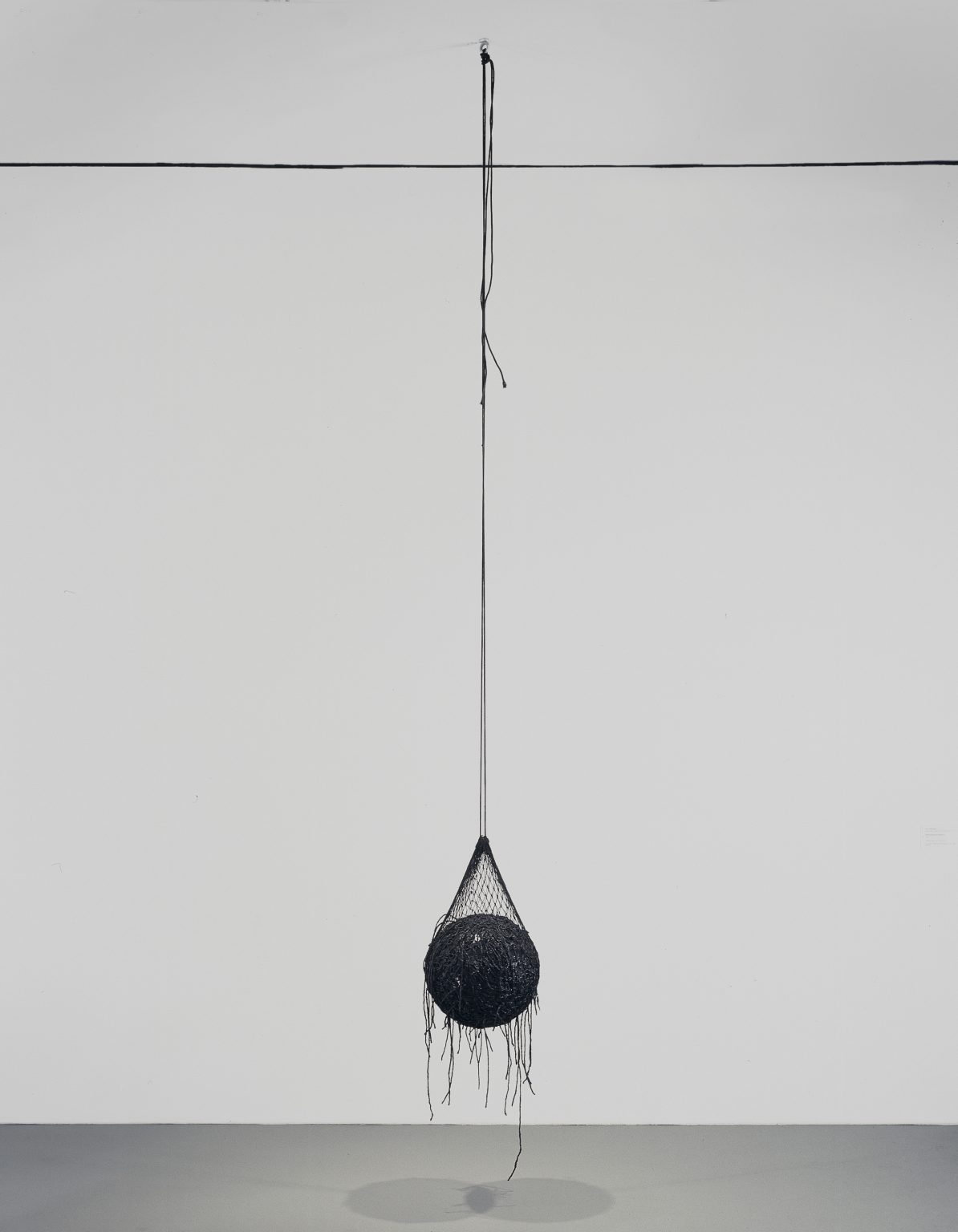
Purity continues, but purity in thought, personhood, or material use. Balance continues but through dependency and succumbing. Rebellion takes over. Human-hood comes to head. Human experience and material experience intertwine rather than control.
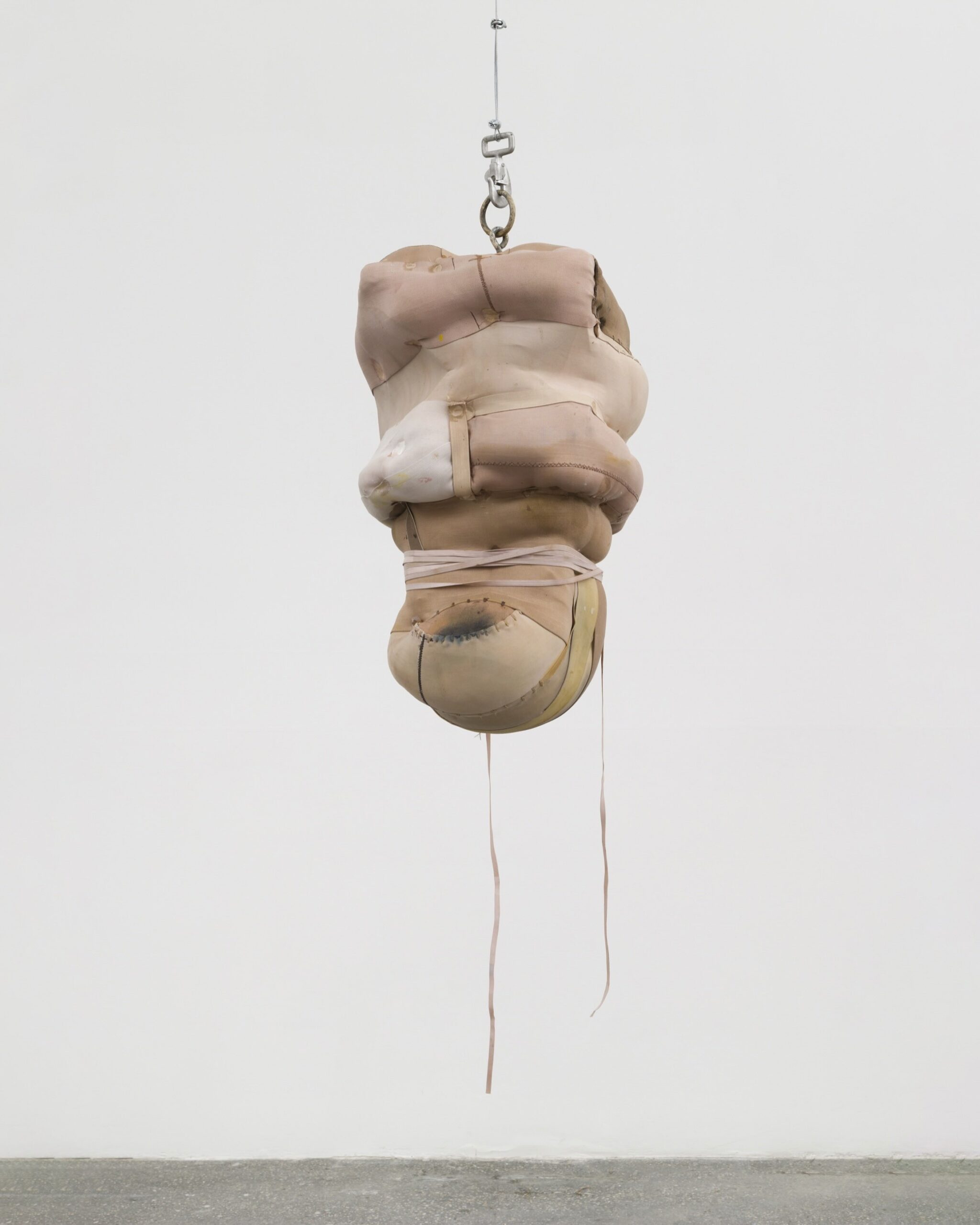
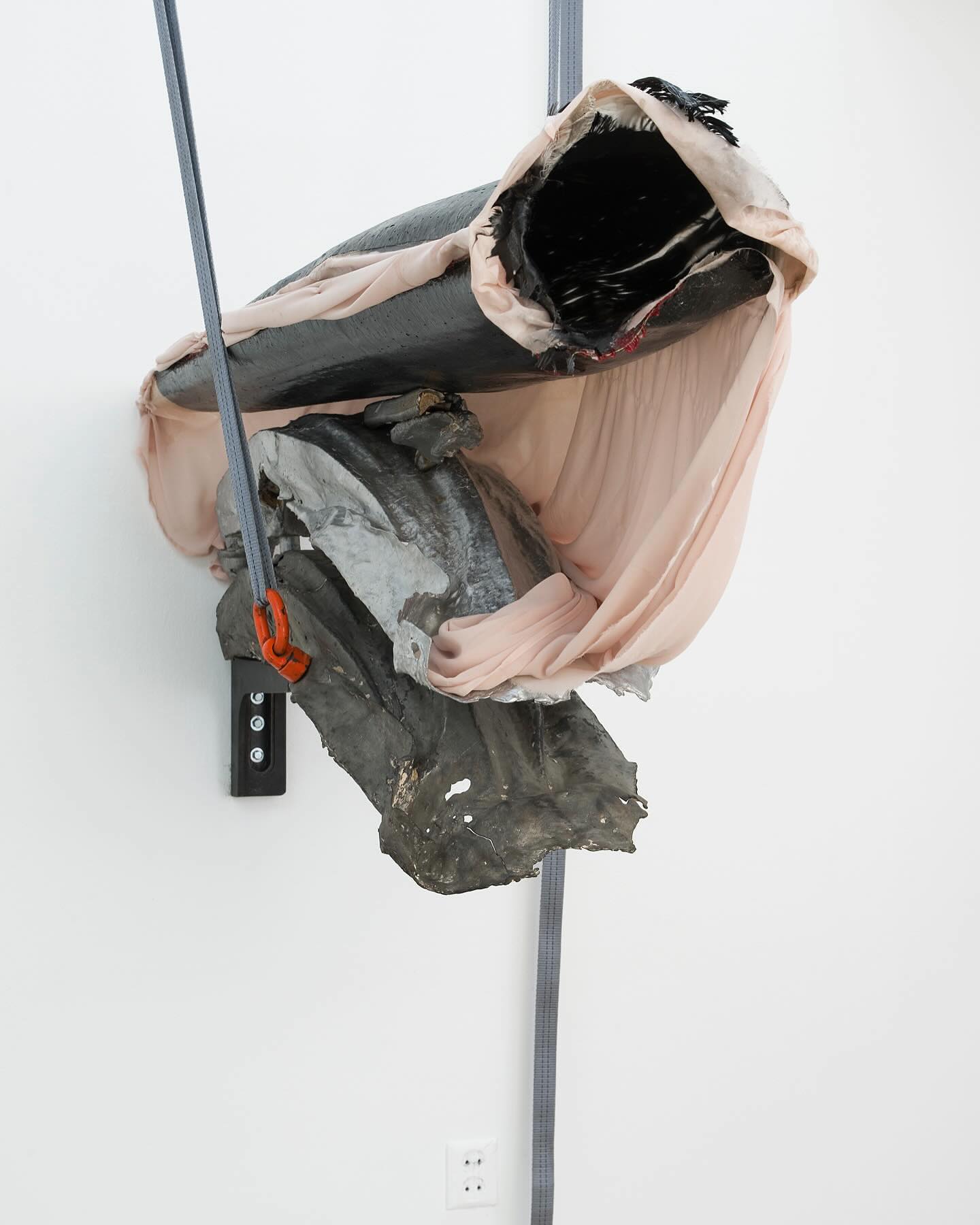
Consistent themes of reclamation – whether globally or within – can’t help but be noticed. Moving far past found objects and back into the use of material in rebellion; industrial use into personal story; organic materials unchanged but into human manipulation. Material-based practices continue to grow around messages related to the self and reconciliation with political and ecological messaging – furthering reclamation of the world around us in a physical sense.
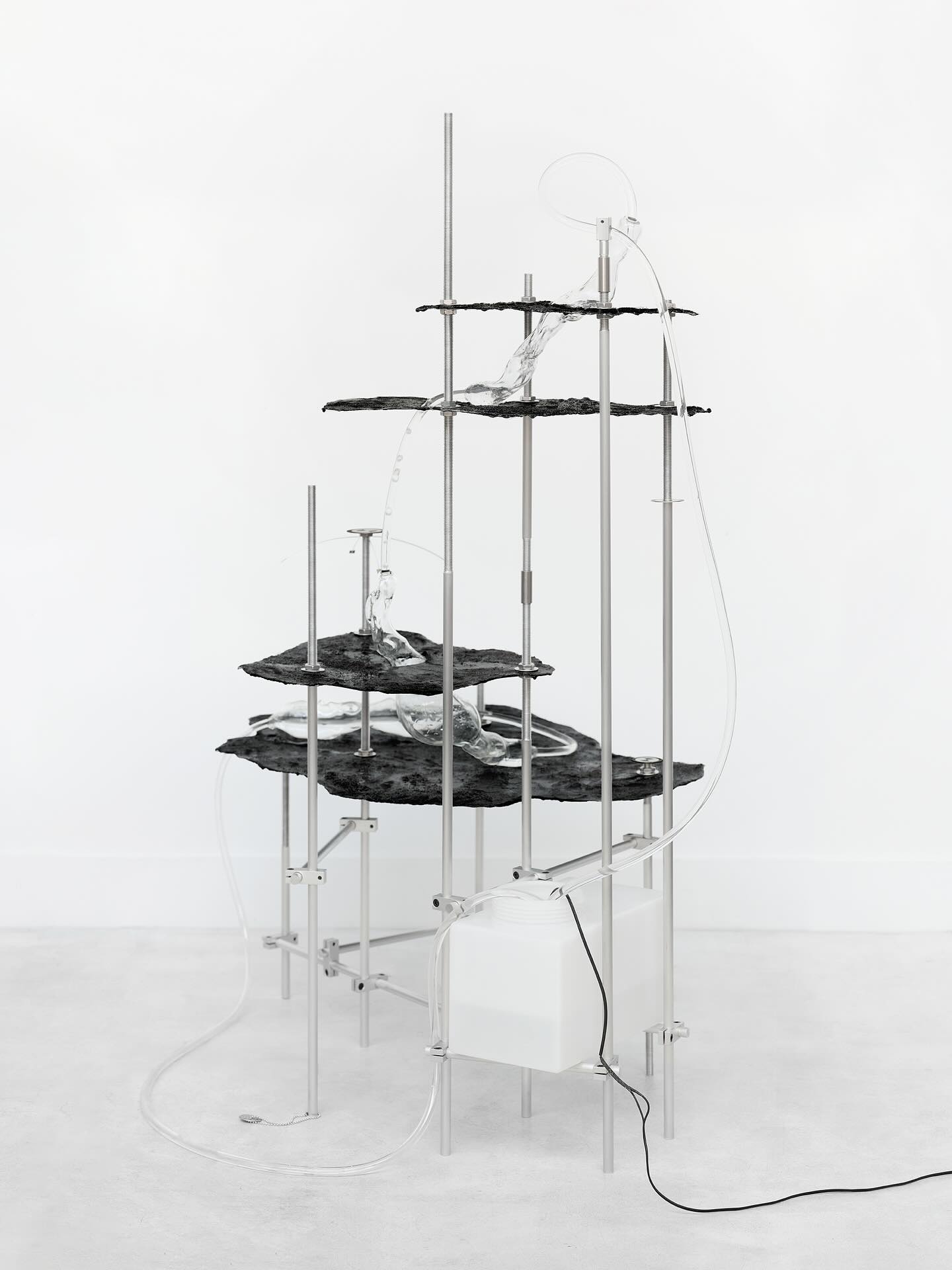
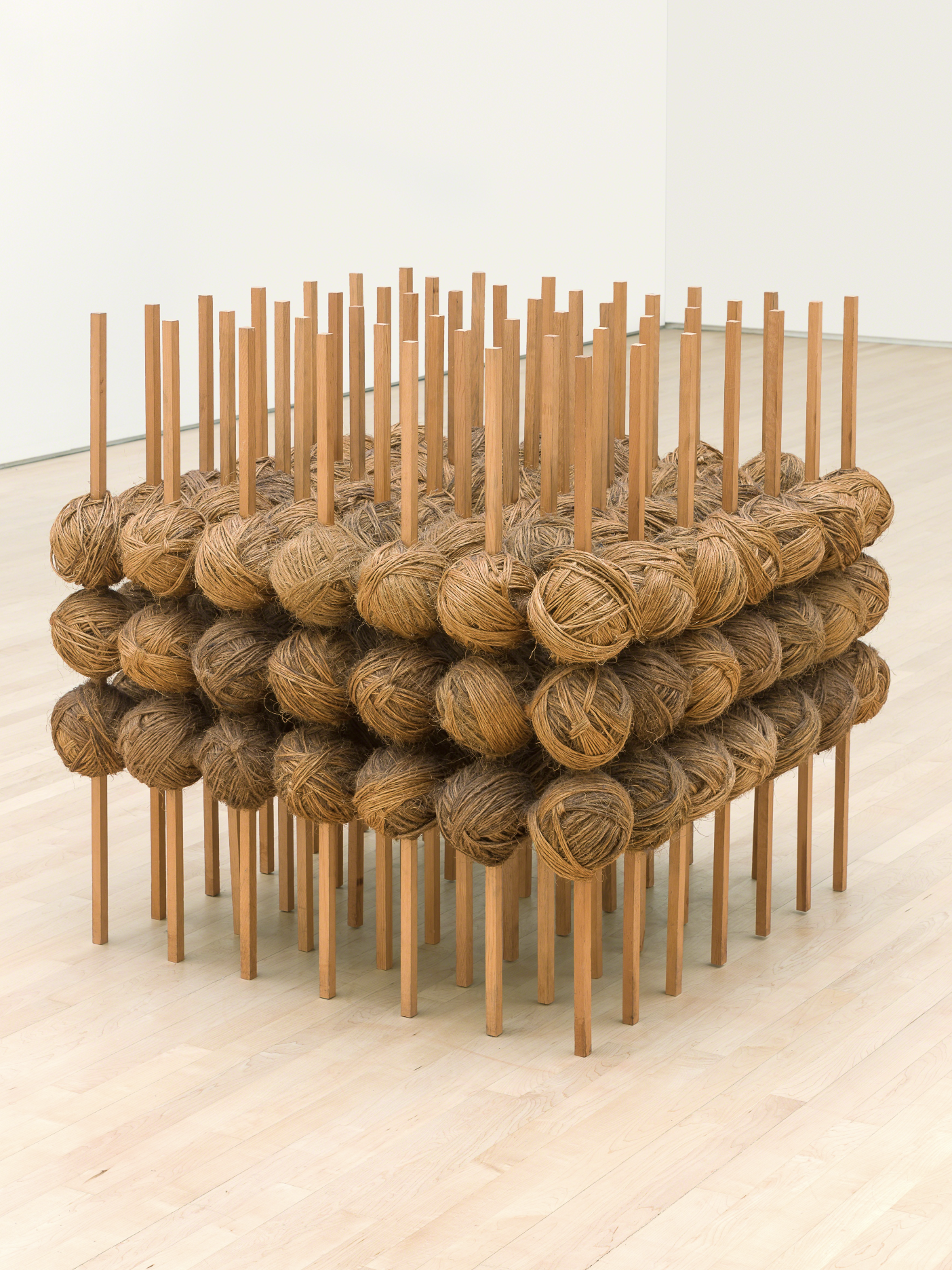
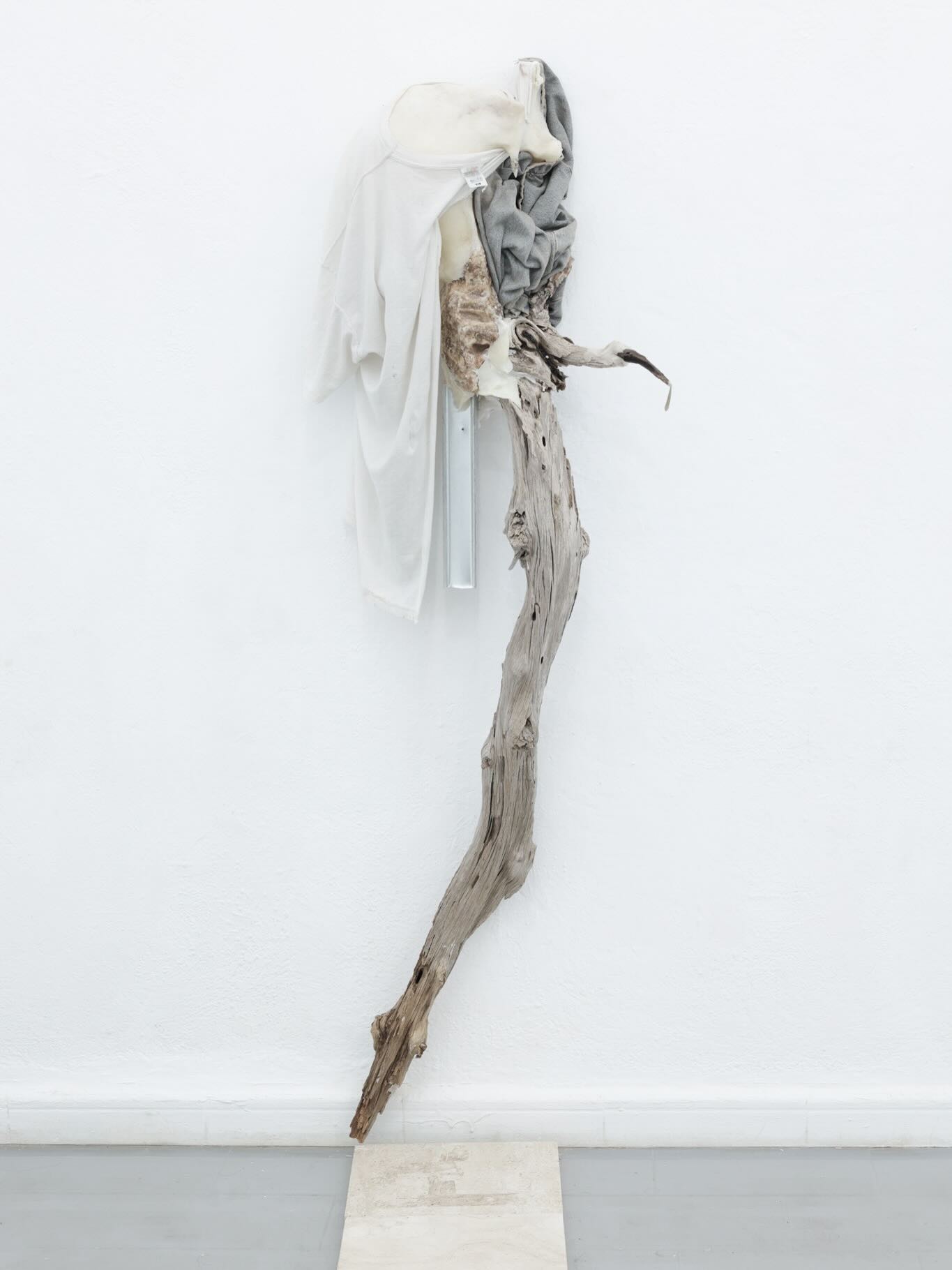
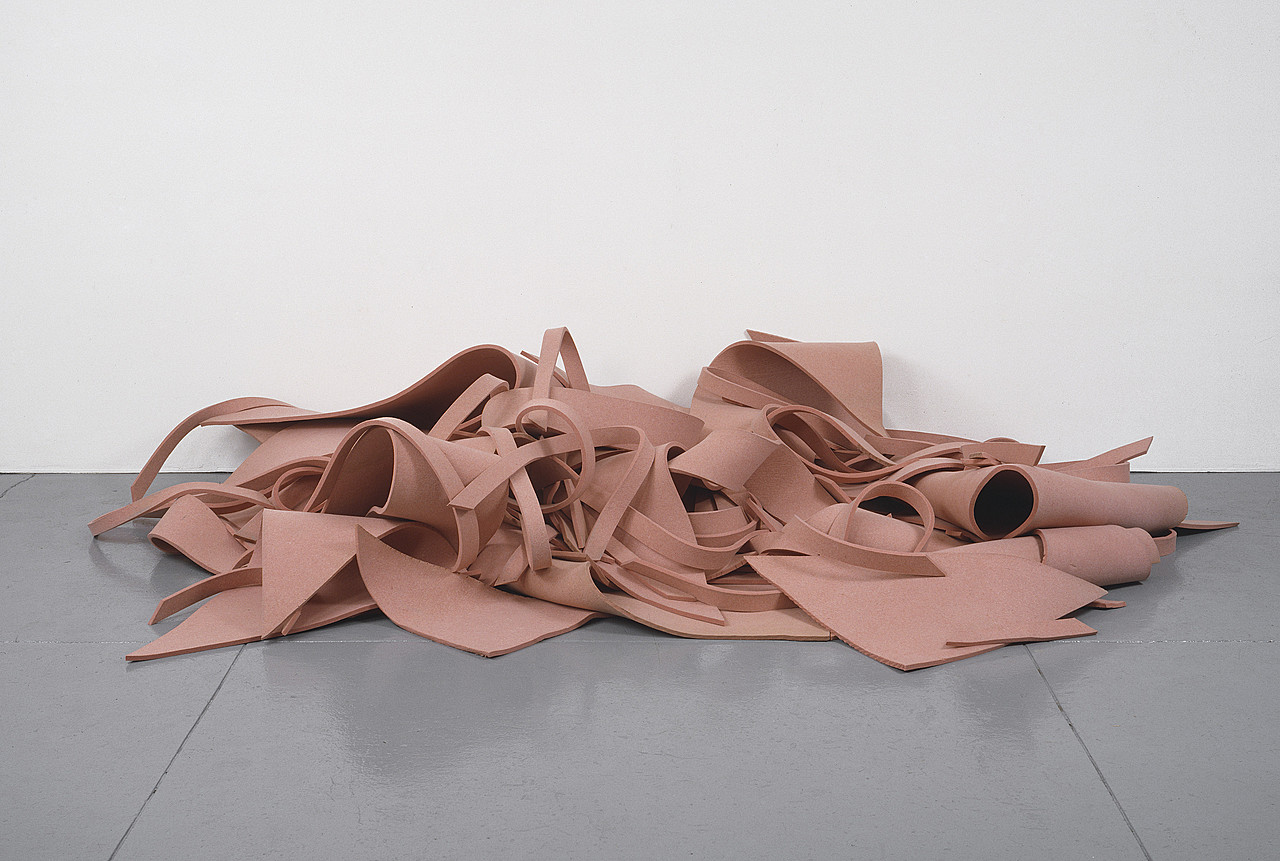
The body is meant to be perceived differently in each room it stands in.
Coming back to Robert Morris’ “anti-form” – one of the most exemplary turn-it-on-its-head tenets of Post-Minimalism. Morris, who bridges Minimalism and Post-Minimalism, is considered one of the best artists for finding where the line between the two movements lies. The Tate describes anti-form as “form… derived from the inherent qualities of the chosen material”⁶. Morris and his felt works hold this concept through the intentionality of non-duplication through weight and material. Each felt piece during install, transit, change of ownership, change of space, etc. will change its physical form, never quite exactly the same.
Taking this alongside a further anthropomorphization of the process and materials in contemporary art objects, I see the idea of anti-form turned back again onto itself cyclically yet again. An evolution happens – the idea of presenting these sculptures into their own bodies, their own beings, living permanently in discussion with the room they inhabit, just as Morris’ felts. There is an evolution which moves away from anti-form directly, yet still uses this ongoing change of a static thing, through the idea of body, spoken in the native language of the material used.
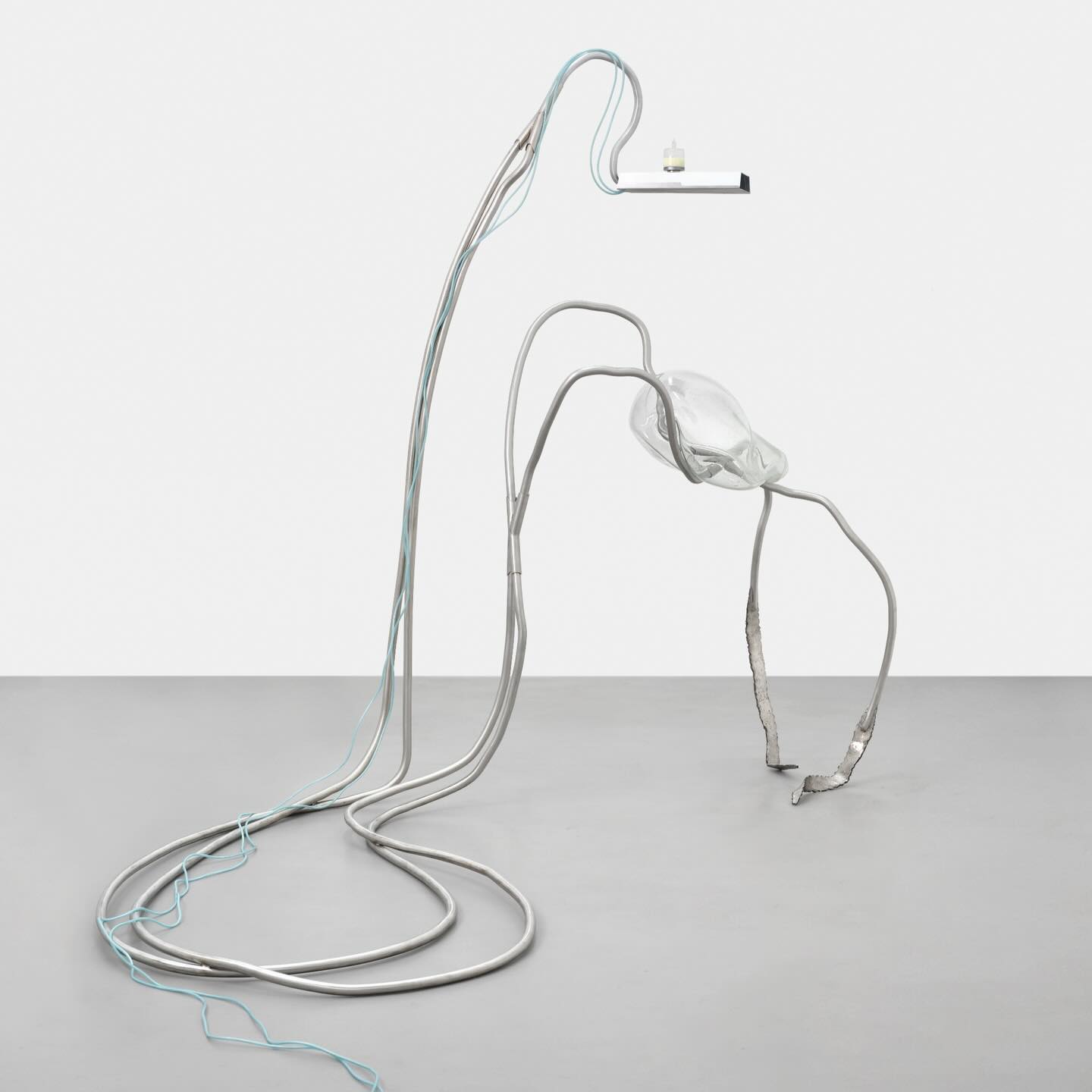
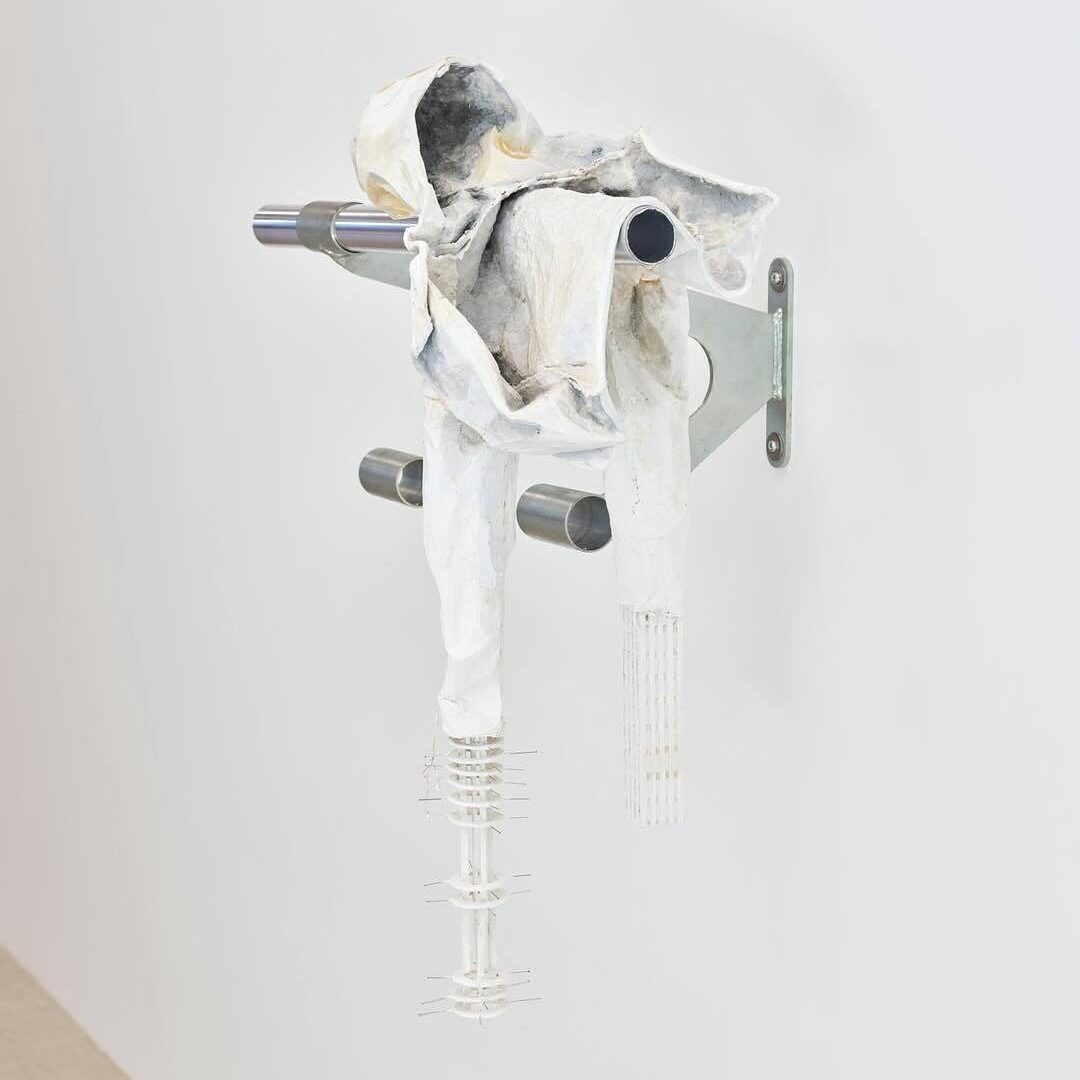
Minimalism and its spectacle brought with it a new world of artists needing to ground. Toeing lines on the ground as they’re the ones drawing them. Post-Minimalism opened a vacuum still being filled.
As sculpture on a global scale continues down different avenues, we have to see that there are movements being built in front of our very eyes – influences, forms, themes, materials, all independent but converging.
We see a movement under the radar, hard to define by nature, whose works are shown in museums yet difficult to maintain. As Minimalism itself waxes and wanes in popularity, what happens to the movement created out of it? Will the work of the Post-Minimalists themselves come up more? To be determined.
the way the Post-Minimalists reacted to “sense of self” in relation to the world around them has only grown, and continues to. What is art today if not a continuation of it all, anyway?
- https://www.christies.com/en/auction/defined-space-the-collection-of-henry-s-mcneil-jr–24891-nyr/overview
- https://heni.com/news/article/christie-s-defined-space-the-collection-of-henry-s-mcneil-jr-auction-in-new-york-2026-05-20
- https://www.artforum.com/features/eva-hesse-post-minimalism-into-sublime-213197/
- https://hirshhorn.si.edu/explore/in-suspense/
- https://www.guggenheim.org/artwork/3016
- https://www.tate.org.uk/art/art-terms/a/anti-form